
Church Fathers on the Eucharist
What did the earliest Christians believe about the Eucharist? These primary-source quotes from the 1st through 5th centuries reveal a striking, unbroken witness to the Real Presence of Christ.
The earliest Christians — including St. Paul and the authors of the Didache — already spoke of the Eucharist in terms of real participation in Christ's body and blood, not mere symbol.
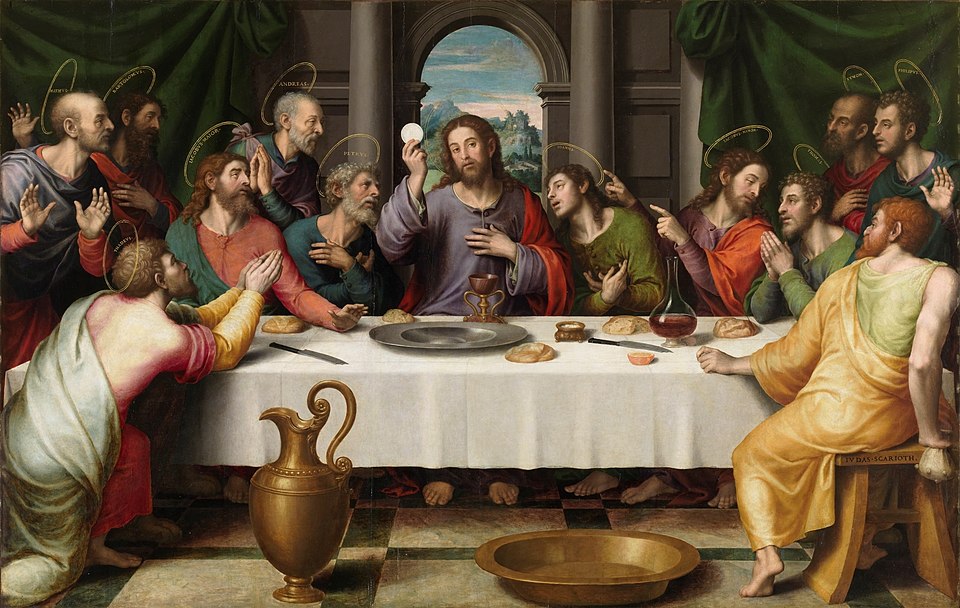
Jesus Christ
"So Jesus said to them, “Truly, truly, I say to you, unless you eat the flesh of the Son of man and drink his blood, you have no life in you; he who…"
Gospel of John 6:53-56 · c. 33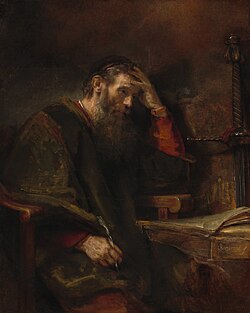
St. Paul
"The cup of blessing which we bless, is it not a participation in the blood of Christ? The bread which we break, is it not a participation in the bo…"
1 Corinthians 10:16-21; 11:27-30 · c. 55By the second century, Church Fathers like St. Ignatius of Antioch and St. Justin Martyr provide unmistakable testimony that the Eucharist is truly Christ's flesh and blood.
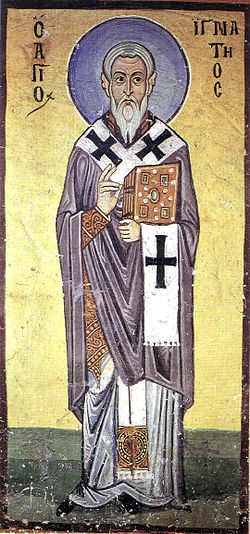
St. Ignatius of Antioch
"They abstain from the Eucharist and from prayer, because they confess not the Eucharist to be the flesh of our Saviour Jesus Christ, which suffered…"
Letter to the Smyrnaeans 6:2–7:1 · c. 110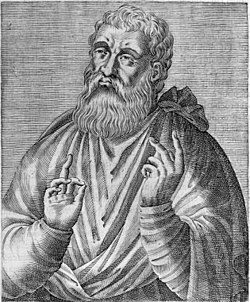
St. Justin Martyr
"For not as common bread and common drink do we receive these; but in like manner as Jesus Christ our Saviour, having been made flesh by the Word of…"
First Apology · c. 150Third-century writers like St. Cyprian of Carthage continued to affirm the realism of the Eucharist, defending it against early heresies.
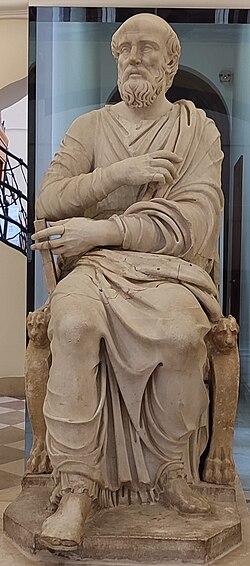
St. Hippolytus
"All shall be careful so that no unbeliever tastes of the eucharist, nor a mouse or other animal, nor that any of it falls and is lost. For it is th…"
Apostolic Tradition 4 · c. 215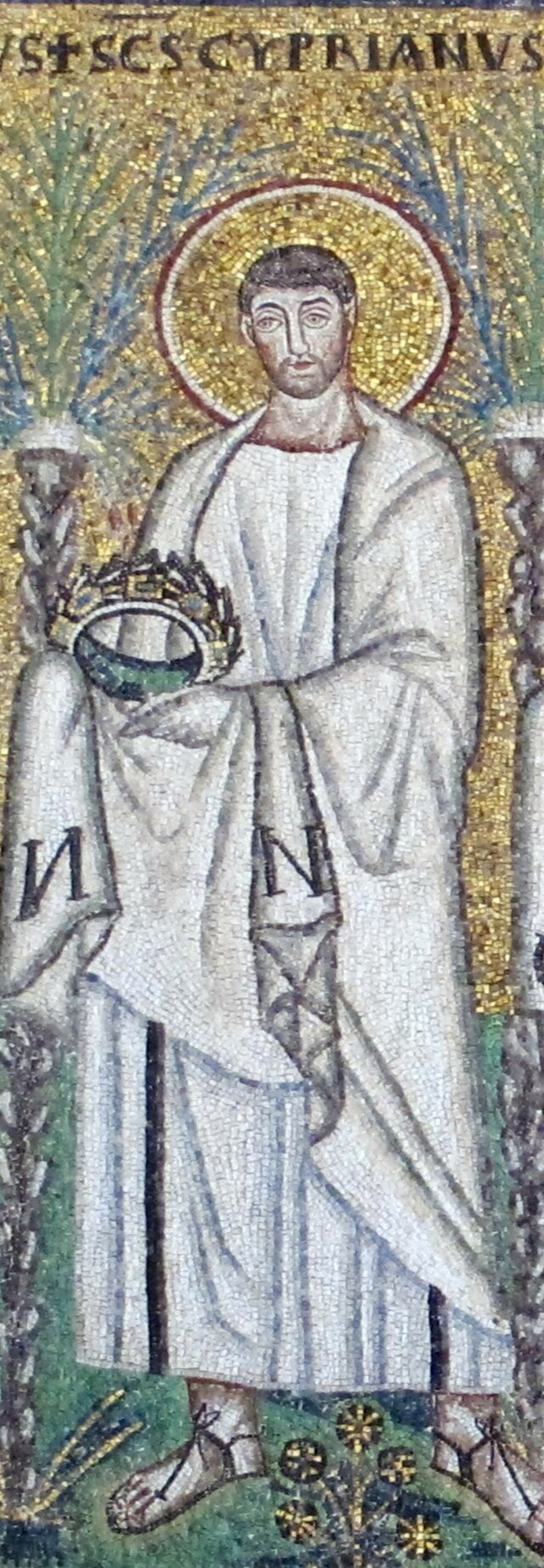
St. Cyprian of Carthage
"As the prayer goes forward, we ask and say, Give us this day our daily bread. And this may be understood both spiritually and literally, because ei…"
Treatise 4.18 · c. 252The fourth century saw the great catechetical mystagogies: St. Cyril of Jerusalem taught newly baptized Christians that the bread and wine truly become Christ's body and blood.
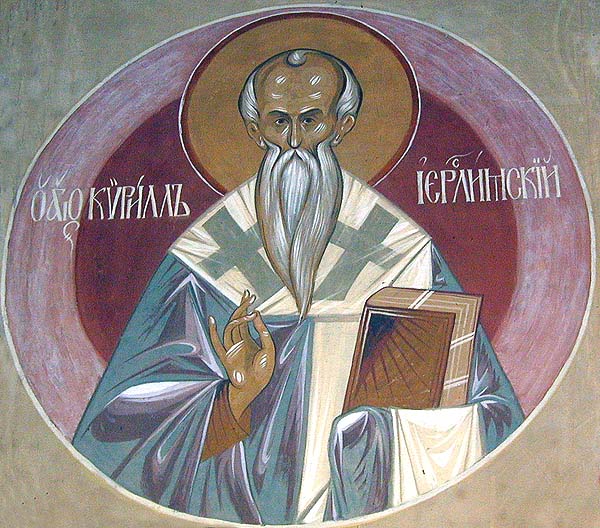
St. Cyril of Jerusalem
"Having learned these things, and been fully assured that the seeming bread is not bread, though sensible to taste, but the Body of Christ; and that…"
Catechetical Lecture 22 · c. 350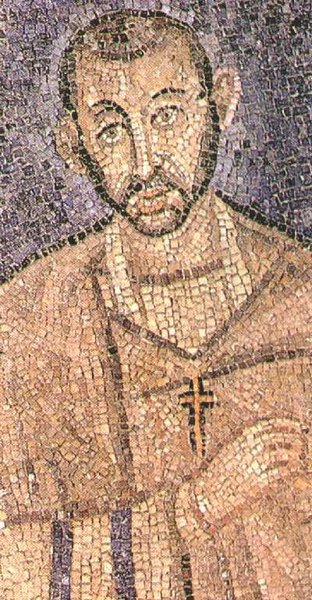
St. Ambrose of Milan
"Before it is consecrated, it is bread, but when the words of Christ have been added, it is the body of Christ. Therefore hear him saying: Take and …"
On the Sacraments · c. 390St. Augustine of Hippo and other fifth-century Fathers grounded Eucharistic realism in the broader theology of the Incarnation and the Church as Christ's Body.
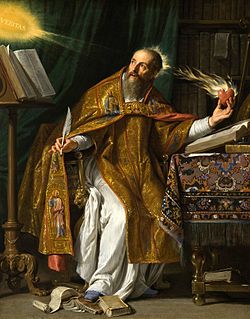
St. Augustine of Hippo
"You ought to know what you have received, what you are about to receive, what you ought to receive every day. That bread which you can see on the a…"
Sermon 227 · c. 414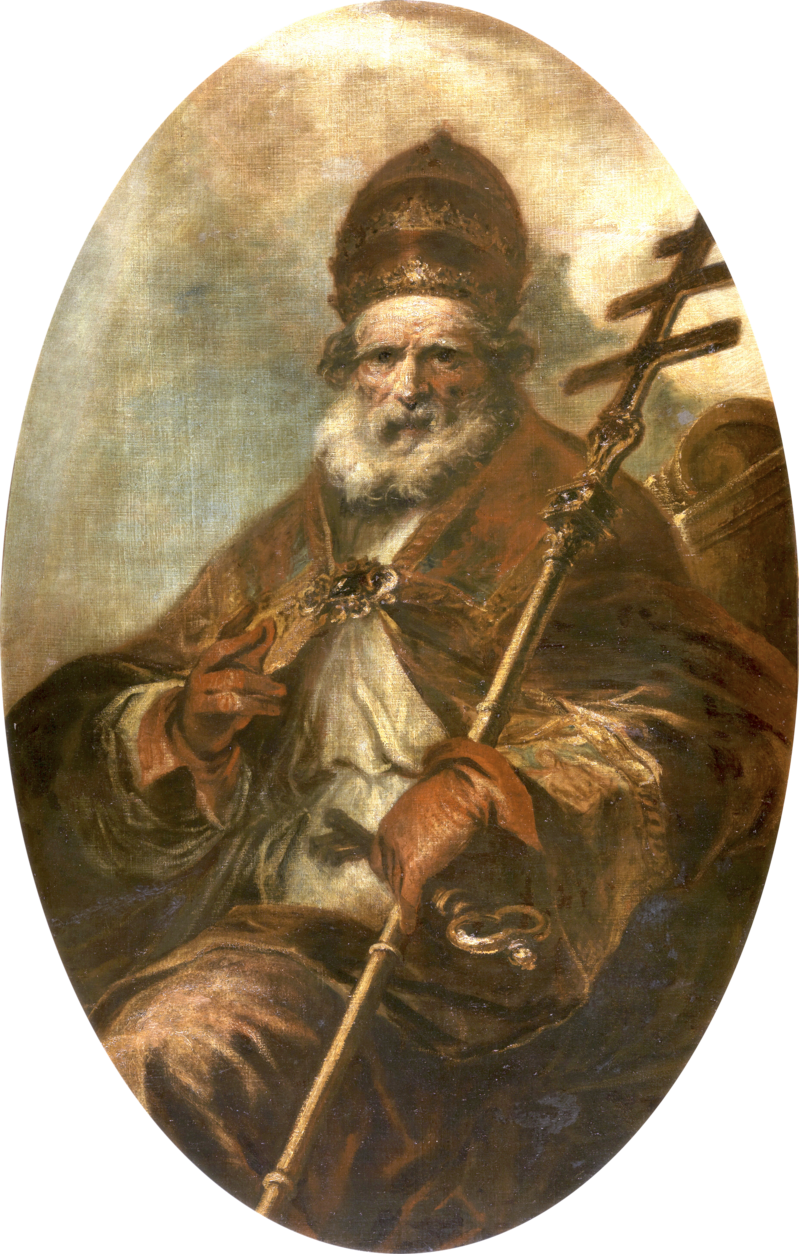
St. Leo the Great
"You ought so to be partakers at the Holy Table, as to have no doubt whatever concerning the reality of Christ's Body and Blood. For that is taken i…"
Sermon 91: On the Fast of the Seventh Month, VI · c. 450 ADFrequently asked questions
What did the Church Fathers teach about the Eucharist?
The Church Fathers — the Christian writers of the first several centuries — taught unanimously that the Eucharist is truly the Body and Blood of Christ. St. Ignatius of Antioch (c. 107) called it "the flesh of our Savior Jesus Christ," and St. Justin Martyr (c. 150) said it is "not common bread and common drink" but the flesh and blood of the incarnate Jesus.
Who were the most important early witnesses to the Real Presence?
Key witnesses include St. Ignatius of Antioch (c. 107), St. Justin Martyr (c. 150), St. Cyprian of Carthage (3rd century), St. Cyril of Jerusalem (c. 350), St. Ambrose of Milan (4th century), and St. Augustine of Hippo (c. 420).
Did all the early Christians agree about the Eucharist?
Yes — the patristic witness to the Real Presence is remarkably consistent across regions and centuries. There is no early Christian writer who teaches that the Eucharist is merely symbolic; the realist understanding was universal.
The Witness Continues
These early Church Fathers are just the beginning. Explore all 2,000 years of Eucharistic witness.
The same witness, in flesh and blood
What the Fathers preached in the 2nd century has appeared again and again in laboratory reports — human heart muscle, type AB blood, the wounds of the Passion. Browse the Church-approved cases.